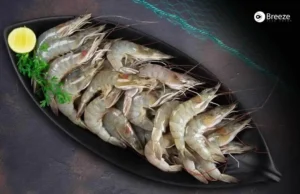
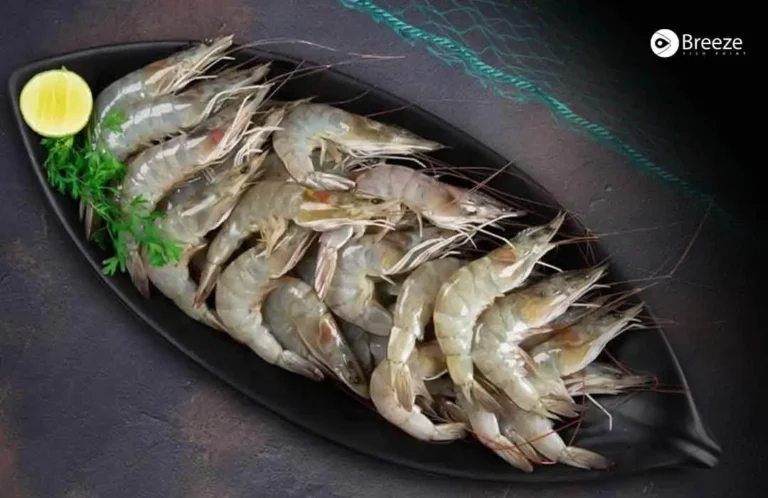
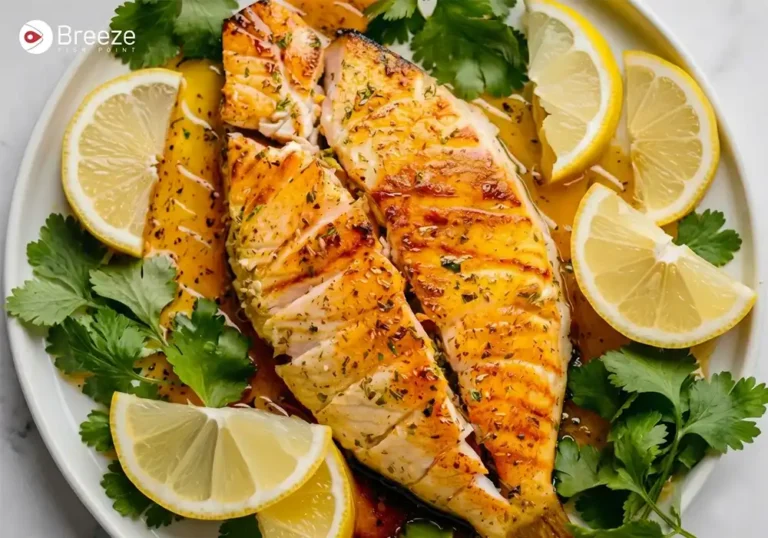
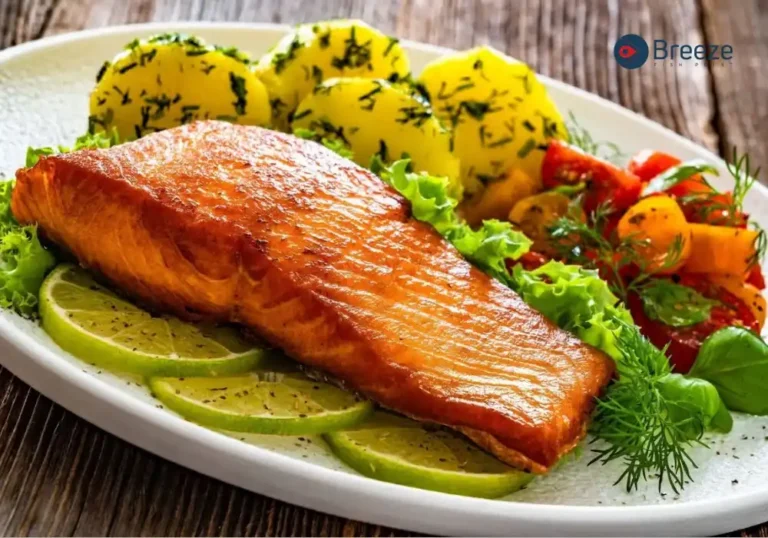

When it comes to seafood, a discussion that is appealing to everyone, jhinga seafood easily takes the topmost place. Whether served as a curry, barbecued, or made into biryani, or even dried, jhinga has become a basic component in many households.
It is not only known for its delicious taste, but it also cooks fast. It is easily merged with a variety of dishes and offers excellent nutritional value. From local fish markets to premium seafood restaurants, jhinga continues to attract seafood lovers of all ages.
But what makes jhinga so special? How does jhinga farming cope with its demand? Support seafood demand? Why is the variation in the jhinga fish price? Let’s explore all about it.
Understanding Jhinga Seafood
Jhinga, commonly known as prawns or shrimp, according to regions. They are farmed both in fresh and marine water and are eaten across Asia, Europe, North America, and the Middle East.
Unlike many seafood options that require specialized cooking methods, jhinga is versatile enough for everyday meals and gourmet dishes alike.
What makes Jhinga seafood outstanding is its spices and taste acceptance. Jhinga provides a comforting experience, whether it’s prepared in international or traditional recipes.
Why Jhinga Is So Popular Worldwide
The jhinga is popular worldwide because of several factors:
Easy to Cook
Jhinga requires less time for preparation than other seafood, so it’s popular among families.
Suitable for Multiple Cuisines
Jhinga is fit in all cuisines, from Chinese, Thai, to Coastal grills and curries as well.
Premium Yet Accessible
Some seafoods are not within your access, but jhinga is available widely in most seafood markets and stores.
Consistent Taste
Jhinga provides a mild and slightly sweet taste that attracts most people.
Jhinga Farming: Meeting the Growing Demand
The global appetite for seafood continues to rise, and natural fishing alone cannot always meet market demand. This is where jhinga farming plays an important part.
Latest prawn farming has converted seafood yield by the worthy supply of the best quality jhinga.
Benefits of Jhinga Farming
- Continuous seafood yield
- Better supply
- Reduced sea animals’ pressure
- Employment opportunities
- Stable availability
Many seafood-producing countries have invested in jhinga farming because it contributes to their economies.
With the upgrade of technology in farming, farmers can now maintain water quality, increase production rates, and maintain healthy systems.
Understanding Jhinga Fish Price
One of the most searched topics today is jhinga fish price.
The cost of jhinga can varies depend on several factors:
Size
Larger prawns generally command higher prices because they offer more meat and are often preferred by restaurants.
Season
Prices fluctuate according to the seasons and their needs.
Farming vs. Wild Catch
Wild-caught jhinga are mostly more expensive due to farming efforts.
Market Location
The jhinga fish in coastal areas are more costly than in inland markets because of maintenance and transport.
Fresh or Frozen
Freshly harvested jhinga usually costs more than frozen alternatives. People who have an eye on the trends of it used to grab better deals with premium quality seafood.
Small Jhinga Fish: Why Many Home Cooks Prefer It
Giant prawns have extra attraction, but small jhinga fish have their own popularity among households. Many expert chefs commonly prefer smaller jhinga because it merges well with spices more actively in recipes.
Advantages of Small Jhinga Fish
- Easier to purchase than larger prawns
- Perfect for curries and rice dishes
- Cook fast
- Rich in taste
- Suitable for routine dishes
In many regions, small jhinga is considered ideal for a balanced taste and a light dish.
Tiger Jhinga: The Premium Choice
When talking about the best seafood, tiger jhinga is at the top of the list. Dark stripes on its shell are the reason for its name. Tiger jhinga is famous for its giant size and texture.
What Makes Tiger Jhinga Special?
- Giant and meaty
- Presentation
- Excellent for barbecue
- Rich flavor
- Popular in restaurants
Many seafood lovers select it for particular parties because it gives dining like restaurants.
If smoked, barbecued, or used in curries, tiger prawns are the premium quality seafood in the fish market.
The Growing Popularity of Dry Jhinga
Fresh seafood has extra attention, but dry jhinga holds a particular place in traditional dishes. It is prepared by drying prawns to increase their shelf life and their taste.
Why People Buy Dry Jhinga
- Long life
- Intense taste
- Easy carriage
- Traditional culinary
- Minimum refrigerated
As dry jhinga has been used for generations as a trusted seafood during seasons when there is a lack of prawns.
Its intense flavor makes it useful in soups, chutneys, and curries.
How to Identify Quality Jhinga
During the purchase of fresh or frozen items, quality seafood is crucial to pick.
Signs of Fresh Jhinga
✔ Ocean-like smell
✔ Firm body
✔ Bright skin
✔ Intact structure
✔ Not any absorbance of liquid
Signs to Avoid
✘ Strong odor
✘ Slippery touch
✘ Faint color
✘ Damaged shells
✘ Soft flesh
These decisions ensure both taste and food safety.
Best Ways to Cook Jhinga Seafood
One reason jhinga seafood remains famous is its unique nature.
Grilled Jhinga
Ideal for outdoor party lovers.
Jhinga Curry
A classic dish with rice and naan.
Fried Jhinga
Quick, tasty, and perfect for busy weeknights.
Jhinga Biryani
Count as succulent seafood for a memorable meal.
Jhinga Salad
A lighter diet for health-conscious diners.
The jhinga allows home cooks to search for countless flavors.
Why Seafood Lovers Keep Choosing Jhinga
People moves towards jhinga because it is high in nutrients, convenient and balanced taste.
Like other seafood, jhinga also appeals particular audience like:
- Families
- Fitness concsious
- Seafood lovers
- Chefs
- Homes
- Food hunters
It’s easily fit into both traditional and contemporary recipes.
Frequently Asked Questions
Q1: What affects jhinga fish price the most?
Q2: Is small jhinga fish good for cooking?
Q3: Why is tiger jhinga expensive?
Q4: What is dry jhinga used for?
Q5: Is jhinga farming important?
Final Thoughts
From routine dishes to high-quality seafood platters, jhinga seafood counts as one of the most adaptable and most wanted seafood options available nowadays. Whether you’re searching for the succulent taste of tiger jhinga, looking for low-cost small jhinga fish, or equating jhinga fish price, or finding the culture of dry jhinga, there is a variety of choices of jhinga for every need and budget.
As jhinga farming helps to improve and enhance the requirements of seafood worldwide, consumers can relish new, tasty, and premium quality jhinga throughout the year. For people seeking a mouth-watering seafood experience that combines ease, flexibility, and culinary needs, jhinga remains a superb option.