
Jhinga Fish Benefits: What Jhinga Is and Why People Eat It
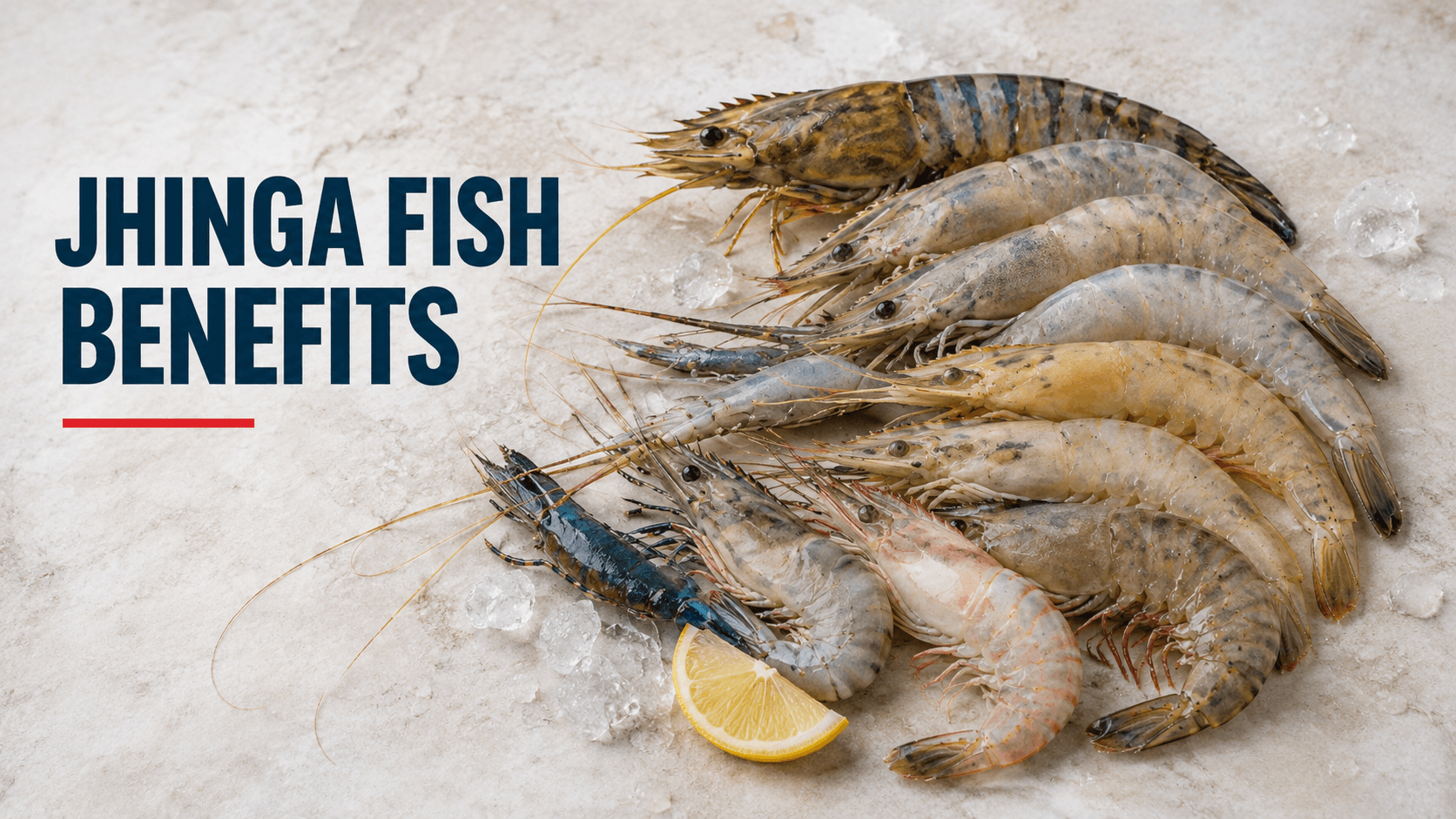
Search for jhinga and you will also see jinga, jhenga and ginga fish. They all point to the same popular seafood, and most people want to know one thing: is it good for you? This guide explains jhinga fish benefits in plain language, covering what jhinga is, the nutrients it offers, who should avoid it and how to cook it in a healthy way.
What Is Jhinga Fish? Names and Spellings
If you are asking what is jhinga fish, the short answer is prawn or shrimp. Jhinga is the Urdu and Hindi name, and although many people say jhinga fish, it is a crustacean rather than a finfish. That is why it is sold and cooked differently from rohu, pomfret or rawas. Prawns and shrimp are close relatives, and in many markets the two names are used loosely, so a seller may call the same seafood either one.
Spelling varies a lot. People type jinga fish, jhenga fish and ginga fish when they look for the same seafood. To see how other names compare, read our guide to fish names in Urdu and English, or explore the 16 distinct types of prawns.
Jhinga Fish Benefits: What You Get in Each Serving
The main benefits of jhinga fish come from its nutrient profile. Figures below are averages for shrimp and prawns and change with species and cooking method:
Nutrient | Why it matters |
Protein | About 24 g per 100 g cooked, which supports muscle and keeps you full |
Low calories and fat | Around 99 calories and 0.3 g fat per 100 g cooked |
Selenium | An antioxidant mineral that also supports the thyroid |
Iodine | Needed to make thyroid hormone |
Vitamin B12 | Supports healthy blood and nerves |
Zinc | Helps immune function and wound healing |
Omega-3 fats | Small amounts of EPA and DHA |
Astaxanthin | The pigment that turns cooked prawns pink, studied as an antioxidant |
Because jhinga is high in protein and low in fat, it suits meals built around lean protein. Shrimp also contains more selenium than mercury, a balance that researchers link to reduced mercury toxicity. Eaten as part of a varied diet, these nutrients are the real benefits of jhinga fish.
Jhinga does contain cholesterol, roughly 160 to 190 mg in a typical serving. Reviews of the research suggest that, for most people, dietary cholesterol is not directly linked to blood cholesterol, and that the overall diet matters more than one food. Jhinga is also not a rich omega-3 source, so for that, see our guide to fatty fish in Pakistan. This guide is general information, not medical advice.
Who Should Be Careful, and How to Cook Jhinga Healthily
Shellfish allergy is the biggest concern. Shrimp is one of the most common shellfish allergens, and reactions range from hives to life-threatening ones, so anyone with a shellfish allergy should avoid jhinga completely. Seek urgent medical help for swelling or trouble breathing after eating it. People who must limit sodium or follow medical diet advice should also check with a doctor, since prepared seafood and heavy seasoning can add salt.
Buy jhinga that smells clean and fresh, keep it cold until cooking, and cook it until the flesh turns opaque and pink. How you cook jhinga changes how healthy it is. Steaming, boiling, baking or grilling keeps it light, while deep frying in thick batter adds fat and calories. For ideas, see our jhinga fish recipes, benefits and drying guide, ask whether prawn starter recipes are healthy, or browse the prawn varieties to try.
Jhinga Fish FAQs
What is jhinga fish?
Jhinga fish is the common name for prawn or shrimp in Urdu and Hindi. It is a crustacean, not a true fish.
Is jhinga a fish or a prawn?
Jhinga is a prawn or shrimp, which belongs to the crustacean group of shellfish. It is not a finfish like rohu or pomfret, even though many people call it jhinga fish.
What are the benefits of jhinga fish?
Jhinga is a lean protein with few calories and very little fat. It also provides selenium, iodine, vitamin B12 and zinc, plus small amounts of omega-3 fats.
Are jinga, jhenga and ginga fish the same as jhinga?
Yes. Jinga, jhenga and ginga fish are alternate spellings that people use for jhinga, meaning prawn or shrimp.
Who should be careful eating jhinga?
People with a shellfish allergy should avoid jhinga completely. Anyone who needs to limit cholesterol or sodium, or who follows medical diet advice, should ask a doctor or dietitian how much is suitable.
Conclusion
Jhinga is a lean, protein-rich prawn that offers selenium, iodine, vitamin B12 and zinc, as long as you are not allergic and you cook it simply. Now that you know what jhinga fish is and what its benefits are, try it steamed or grilled this week, and keep exploring our guide to the best types of fish in Pakistan for your next meal.