
Flounder Fish: A Fascinating Dive into Recipes, Facts, and Fishing Tips
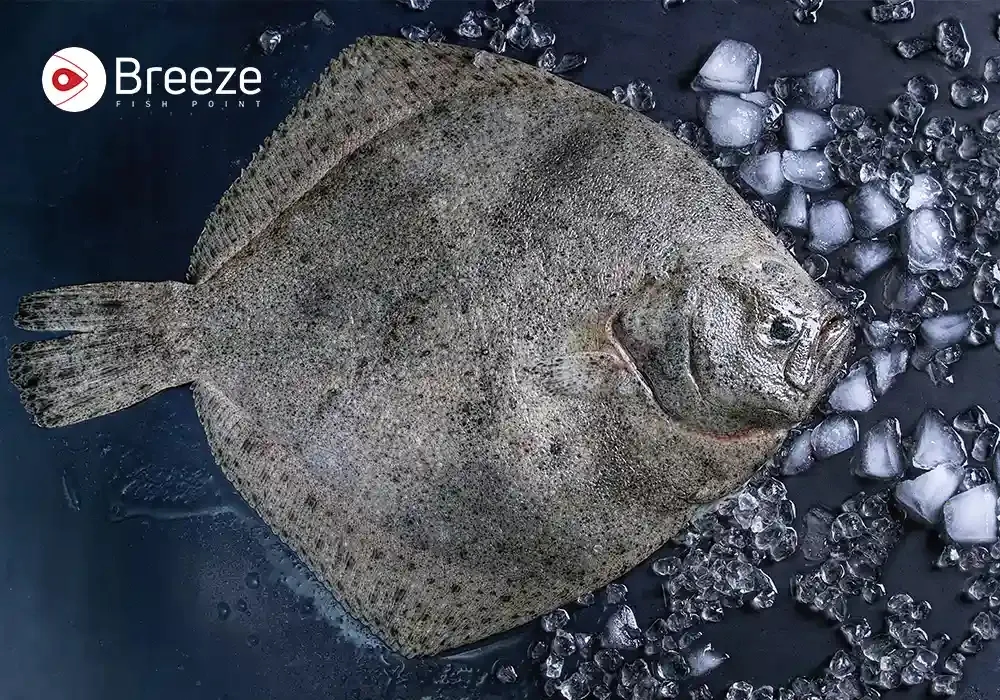
Flounder fish are born looking like ordinary fish, with one eye on each side of the head. Then one eye slowly migrates across the skull, and the fish settles onto the seafloor to live on its side. That odd transformation is only the start of what makes flounders unusual. This guide covers what flounder are, the main species, where they live, what they taste like, whether they are safe to eat, and how to cook and catch them.
What Is Flounder Fish?
Flounder are flatfish: flat bodied bottom dwellers that belong to the order Pleuronectiformes, a name that means "side swimmers" in Greek. Several species from different parts of the world share the name, so "flounder" describes a type of fish more than a single species. Most live in coastal waters, bays and estuaries, where the bottom is sand or mud.
Why both eyes end up on one side
Young flounder swim upright, with an eye on each side of the head. As they mature, one eye moves across the skull to join the other, and the fish starts living on the bottom with both eyes facing up. The upper side takes on the colors and patterns of the seabed, while the underside stays pale.
Left eyed vs right eyed flatfish
Species differ in which side their eyes end up on. Summer flounder are left eyed, with both eyes on the left side of the body. Winter flounder are right eyed. If you catch or buy a whole fish, lay it on its belly and note which side the eyes are on. It is a quick first step in identifying the species, though a regional field guide is worth checking for the rest.
Main Flounder Species
The species you meet depends on where you live. These are the ones people search for most:
- Summer flounder (Paralichthys dentatus): Found along the Atlantic coast of North America. Left eyed, and the most commercially and recreationally important flounder in the region. Males reach about 2 feet and females about 3 feet.
- Winter flounder (Pseudopleuronectes americanus): A Northwest Atlantic species with eyes on the right side. It is smaller than summer flounder and is also sold under names such as blackback.
- Southern flounder: Lives along the southern Atlantic and Gulf coasts. It tolerates lower salinity than summer flounder, so you find it deep into estuaries.
- Gulf flounder: Found in Gulf of Mexico and southeastern waters, where it feeds on shrimp, small fish and other crustaceans.
- Starry flounder: A Pacific species that eats worms, sand dollars and clams and copes well with brackish water.
- European flounder (Platichthys flesus): The flounder of European waters.
- Japanese flounder (Paralichthys olivaceus): Found in the western Pacific and also raised in aquaculture in parts of Asia. See our guide to aquaculture farming and fish species for how fish farming works.
Flounder vs fluke
"Fluke" is the usual name for summer flounder, mostly in the US Northeast and Mid Atlantic. So every fluke is a flounder, but not every flounder is a fluke. In general, summer flounder have a larger mouth with teeth, while winter flounder have a small mouth.
Where Flounder Live and How They Hunt
Flounder are ambush predators of the seafloor. Adult summer flounder favor sandy bottoms, while juveniles use marshes, seagrass beds, mud flats and open bays as nurseries. Their coloring lets them blend in, and they often bury themselves in the sand with only their eyes showing.
They wait for prey to pass overhead and then strike. Diets vary by species: small fish, shrimp and crustaceans for most, and worms, clams and sand dollars for starry flounder. Despite their lazy look, flounder are fast over short distances. They are also prey themselves. Dogfish, monkfish, cod, sharks and rays all eat summer flounder.
If you are interested in other Atlantic species, see our guides to Atlantic cod and North Atlantic cod sustainability.
What Does Flounder Taste Like?
Flounder has a mild, slightly sweet flavor and delicate, flaky white flesh. It is a lean fish, so it lacks the strong, oily taste of salmon or mackerel, which makes it a good choice for people who find some fish too fishy.
The fillets are thin, and the low fat content means they can dry out if overcooked. Simple preparations work best: a little butter, lemon, herbs or a light crust let the sweetness come through.
Flounder Nutrition and Safety
Flounder is a lean source of protein and provides vitamin B12, vitamin D and selenium. It contains some omega 3 fatty acids, though less than oily fish such as salmon.
On mercury, flounder is a safe choice. The FDA and EPA list flounder in their "Best Choices" category, the lowest mercury group. Check fda.gov/fishadvice for current serving guidance, especially if you are pregnant, breastfeeding or feeding young children. If you eat flounder you or a friend caught locally, check your area's fish advisories first. Fish spoils quickly, so keep it cold and cook it soon after buying or catching it.
How to Cook Flounder
Because flounder is thin and lean, the main rule is to cook it fast and stop as soon as it is done. The fish is ready at an internal temperature of 145°F (63°C), when the flesh turns opaque and flakes easily.
- Pan fry: Pat the fillets dry, dust lightly with flour or breadcrumbs, and cook in a hot pan with oil or butter for a few minutes per side. Handle gently, as thin fillets break easily.
- Bake: Place fillets on a lined tray with butter, lemon and seasoning. Thin fillets often cook in about 10 to 15 minutes in a hot oven.
- Broil: Brush with oil or butter and broil close to the heat for a few minutes. It works well for thin fillets because they need no turning.
- Stuff: Stuffed flounder with a crabmeat filling is a classic restaurant style dish.
- Cook whole: Score the thicker side of a whole flounder and bake or grill it. Cooking on the bone helps keep the flesh moist.
Buying and storing fresh flounder
Look for firm, moist flesh with a clean sea smell, and avoid anything dull or strongly fishy. Store it on ice or in the coldest part of your refrigerator and cook it within a day or two. Our guide to choosing the best fresh Atlantic salmon fillet covers buying tips that apply to most fresh fish.
Flounder Fishing Basics
Flounder anglers fish the bottom. Because flounder lie in wait behind anything that breaks the current, the best spots are structures such as docks, channel markers, oyster bars and drop offs. Remember that even a large flounder is only a few inches thick, so it can hold in very shallow water.
Live baits such as minnows and mullet, and strips of squid or other cut bait, are common choices. Bucktail jigs and soft plastics worked slowly just off the bottom are also productive. Rules vary by region: summer flounder, for example, are managed with quotas, size limits and seasons, so check your local regulations before you fish.
Frequently Asked Questions
Is flounder a good fish to eat?
Yes. Flounder is mild, slightly sweet and flaky, and it is lean and low in mercury. Because it is lean, it dries out easily, so cook it quickly and avoid overcooking.
What is the difference between flounder and fluke?
"Fluke" is a common name for summer flounder, used mostly in the US Northeast and Mid Atlantic. Every fluke is a flounder, but not every flounder is a fluke.
Why are a flounder's eyes on one side?
Flounder larvae have an eye on each side. As the fish grows, one eye migrates to the other side so it can lie flat on the bottom with both eyes facing up.
Is flounder high in mercury?
No. The FDA and EPA place flounder among the "Best Choices," the lowest mercury category. Check fda.gov/fishadvice for current serving advice.
Is flounder a kosher fish?
Flounder has fins and scales, the two basic requirements for a kosher fish, so it is generally considered kosher. Confirm with your own certifying authority, especially for how the fish was processed.
How big do flounders get?
It depends on the species. Summer flounder males reach about 2 feet and females about 3 feet, while winter flounder stay smaller.
Can you keep a flounder in an aquarium?
It is possible for experienced keepers with a large tank and a sandy bottom, but it is not a good choice for beginners. Flounder bury themselves, are ambush predators that eat small tank mates, and many species need cool or marine conditions.
Conclusion
Flounder fish are among the most distinctive fish in the sea, from the eye that moves across the skull to the camouflage that lets them vanish into the sand. They are also mild, lean and easy to cook, which makes them a good place to start if you are new to cooking fish. Explore more of our fish species guides and seafood knowledge articles to keep learning.