

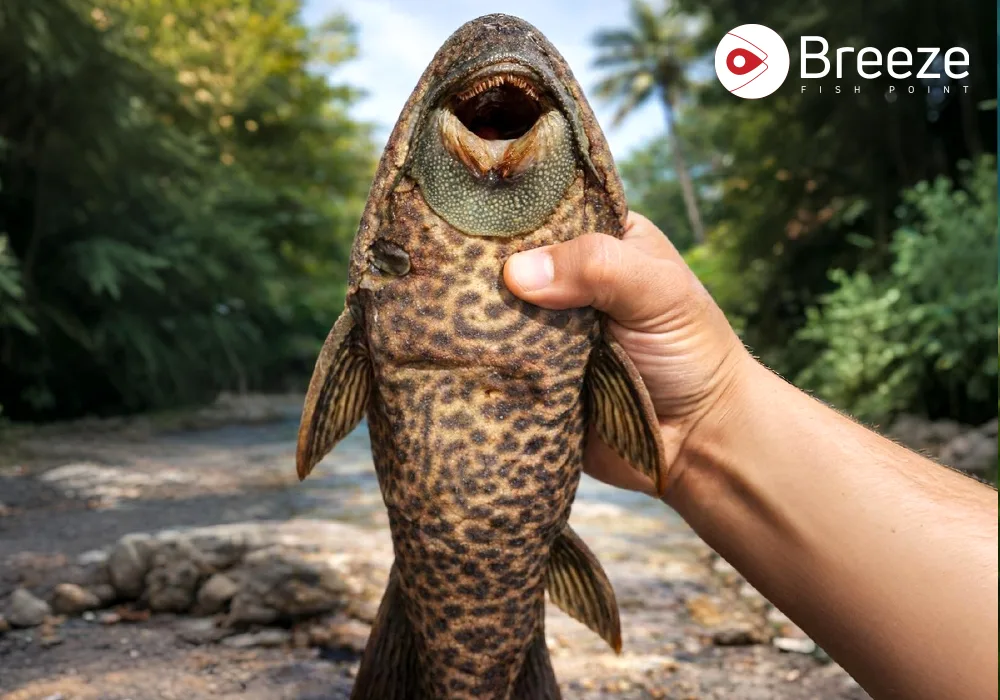
Alien fish didn’t arrive in Pakistan overnight, and that’s why many people didn’t notice at first. Rivers that once carried familiar native fish slowly began to change. Local fishermen started catching less. Some species almost vanished without explanation. What’s happening beneath the water is the spread of invasive fish species that compete, hunt, and survive better than local fish. As alien fish in Pakistan continue to spread, aquatic biodiversity is quietly paying the price.
When Alien Fish Enter Local Waters
The impact doesn’t show up all at once. A few unfamiliar fish appear, then native species start to fade. Alien fish survive easily in conditions where local fish cannot, allowing invasive fish species to spread quickly. As alien fish in Pakistan take over feeding and breeding spaces, aquatic biodiversity slowly begins to break down.
A Threat to Livelihoods and the Local Economy
For fishing communities, this issue is deeply personal. Some alien fish have little market value, while others damage nets or spoil catches.
The economic impact shows up in simple ways:
- smaller daily catches
- lower-quality fish reaching markets
- rising costs for fishermen
- loss of traditional fishing practices
How Wildlife beyond the Water Is Affected
Rivers are not isolated systems. Birds, amphibians, and mammals depend on native fish for survival. When alien fish dominate, these animals struggle to adapt. Some birds abandon nesting areas. Others travel farther for food, risking exhaustion or death.
This chain reaction is why aquatic biodiversity matters far beyond the water itself. A single invasive species can quietly disrupt wetlands, farmland, and wildlife corridors that have existed for generations.
How Did Alien Fish Enter Pakistan’s Waters?
The introduction was not always intentional. In many cases, alien fish were brought in for:
- aquaculture experiments
- mosquito control
- ornamental fish release
- unregulated fish farming
Over time, floods and broken enclosures allowed these species to escape into open waters. Reports and environmental references over different years show that once released, alien fish spread faster than expected, often without proper monitoring.
Why Ignoring the Problem Makes It Worse
One of the biggest dangers is delay. The longer invasive fish species remain unchecked, the harder they are to control. Many people assume nature will “balance itself out.” Unfortunately, history shows the opposite.
What’s being missed by not taking action?
- irreversible loss of native species
- long-term economic damage
- weakened water ecosystems
- higher costs for future recovery
By the time visible damage appears, the solution becomes more complex and expensive.
Impact of Alien Fish on Pakistan’s Rivers and Biodiversity
| Aspect | Observation / Effect |
|---|---|
| Rate of Spread | Alien fish populations can double within months in favorable conditions. |
| Effect on Native Fish | Native species decline due to competition and predation. |
| Water Quality | Some alien fish disturb sediments, affecting water clarity and oxygen levels. |
| Impact on Fishing Economy | Reduced fish catches and income for local fishermen. |
| Wildlife Disruption | Birds, amphibians, and mammals struggle as food sources decline. |
| Long-term Ecosystem Risk | Wetlands and river ecosystems face permanent changes if not controlled. |
Simple Steps to Keep Rivers Healthy
- Don’t put too many fish in one farm.
- Never release pet fish into rivers.
- If you see strange fish, tell someone.
- Help out with local river or wildlife projects.
- Remind friends and family why rivers and fish are important.
Doing even these small things can help rivers, fish, birds, and the people who rely on them.
Imagining a Healthier Future for Our Waters
Picture a river where native fish return, birds nest freely, and fishing once again supports families without strain. Clean water flows through farmlands. Wetlands recover their natural rhythm. This transformation is possible — but only if action replaces silence.
Protecting aquatic biodiversity is about preserving comfort and security for both nature and people. It’s about ensuring that future generations inherit living rivers, not damaged ones.
How Alien Fish Are Changing Pakistan’s Rivers
Why Alien Fish Spread So Fast
- They can survive in water conditions that are hard for local fish.
- They breed quickly, so their numbers increase very fast.
- Almost nothing in our rivers eats them, so nothing keeps their population in check.
- Floods, open canals, and broken fish farm nets let them move into new rivers and lakes.
- Some fish were let go on purpose—either to control mosquitoes, as pets, or for fish farms—but once they’re in the river, they spread by themselves.
- They fight for food and space and push the local fish out of their homes.