Why Fish Flavor Feels So Personal
If you’ve ever said, “I don’t like fish,” there’s a good chance you just haven’t found the right one yet.
The truth is, fish flavor isn’t one single taste. Some fish are soft and slightly sweet, almost like a blank canvas. Others fetch intense, opulent notes that feel more powerful and relishing. And then there’s the texture of fish, which plays a huge role too; some are flaky and delicate, while others are firm and filling.
Once you understand these little differences, picking the best flavor of fish stops feeling confusing and starts feeling enjoyable.
Mild or Strong: What Kind of Flavor Do You Like?
Think of fish like tea or coffee; some people like it light, others want it strong. Fish works the same way.
Mild-Flavored Fish (Easy and Comforting)
If you want something simple and not overpowering, mild fish is your best friend.
Options like:
- Cod
- Tilapia
- Haddock
- Flounder
These are gentle on the palate. They don’t have that strong “sea” taste, which makes them perfect if you’re just starting out or cooking for family.
Fish with Strong Flavors (Bold and Rich)
If you enjoy deeper, more noticeable tastes, this category is where things get interesting.
Fish like:
- Mackerel
- Sardines
- Tuna
- Anchovies
These come with strong flavors that really stand out. They’re richer, oilier, and often more satisfying if you already enjoy seafood.
Best-Flavor Fish You’ll Actually Enjoy Eating
Let’s talk about fish that people keep going back to, not just because they’re healthy, but because they genuinely taste good.
Salmon: Warm, Rich, and Reliable
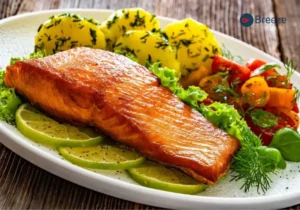
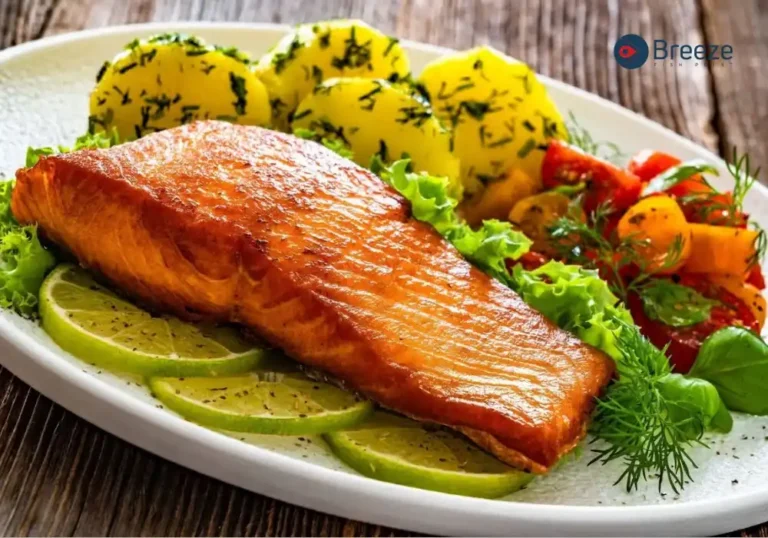
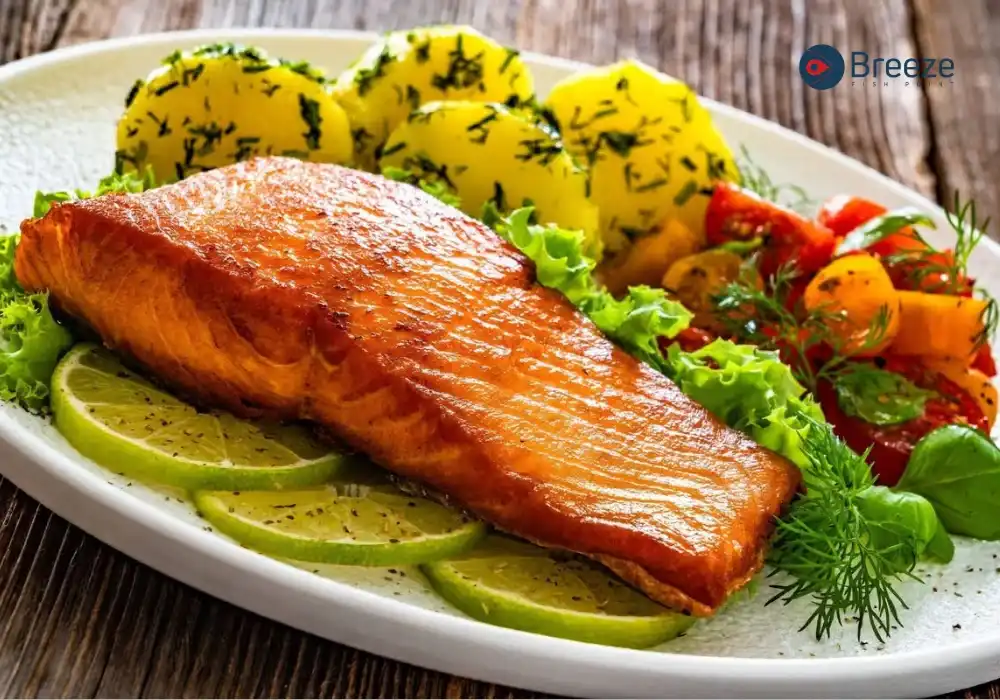
Salmon feels like comfort food. It’s rich without being heavy, and its soft, slightly firm texture makes every bite satisfying.
It’s also one of the healthiest choices out there, packed with omega-3s that support your heart and brain. Whether you bake it or grill it, salmon almost always turns out well.
Grouper: Simple but Special
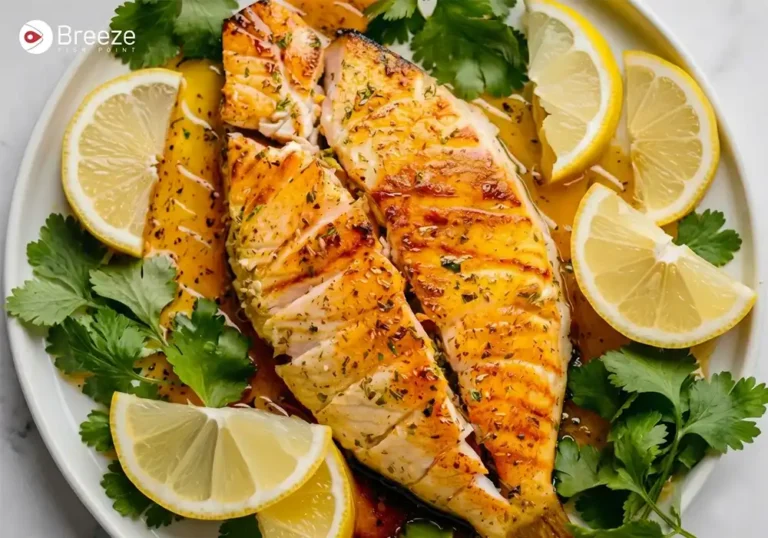
Grouper doesn’t try too hard, and that’s what makes it great. It has a mild, slightly sweet taste and a firm texture that works beautifully whether you fry it or grill it.
If you want something that’s easy to like but not boring, grouper is a great pick.
Tuna: Hearty and Filling
Tuna is for the times when you desire something that really feels like a proper meal. It’s bulky, sturdy, and gratifying, nearly like eating a cutlet.
The taste is more robust than that of moderate fish but still harmonious, which makes it a best-loved choice for many people.
Snapper: Fresh and Light
Snapper has that immaculate, pure taste that doesn’t feel too hefty. It’s slightly sweet and sits comfortably between mild and strong.
The texture of fish here is tender but holds together nicely, making it great for simple home cooking.
Mahi-Mahi: Light with a Little Personality
Mahi-mahi is ideal when you need something cozy but not bland. It has a clean taste with just a hint of sweetness, and its firm texture makes it great for grilling.
It’s the kind of fish you can cook quickly and still feel like you made something special.
Texture Matters More Than You Think
Sometimes people don’t dislike fish; they just don’t like a certain texture.
Here’s a simple way to look at it:
- Flaky fish: Soft, breaks apart easily (like cod)
- Firm fish: Dense and filling (like tuna)
- Medium texture: Balanced and smooth (like salmon)
Once you figure out what you enjoy, choosing fish becomes so much easier.
The Health Side (Without Overthinking It)
Fish is one of those foods that quietly does a lot of good for your body.
- It supports heart health.
- Helps with brain function and memory
- Keeps you full without feeling heavy
You don’t have to overthink it; just adding fish to your meals a couple of times a week can make a real difference.
Frequently Asked Questions
What are the most flavorful fish?
Can I eat fish with diabetes?
What fish is good for lowering triglycerides?
What is the flavor of fish?
What are three flavored fish?
Fish generally fall into three simple groups:
- Mild-flavored fish
- Medium-flavor fish
- Fish with strong flavors
This makes it easier to pick something that suits your taste.
Simple Tips That Make a Big Difference
If you want to enjoy fish more, these small tips really help:
- Go for fresh fish; it should smell clean, not strong.
- Don’t overcook it (this makes it dry).
- Use simple seasonings like lemon, salt, and herbs.
- Start with mild-flavored fish if you’re unsure.
Cooking Fish without Stress
You don’t need complicated recipes to make fish taste good.
- Grilling: Adds a smoky touch
- Baking: Keeps it soft and juicy
- Frying: Crispy outside, tender inside
- Steaming: Keeps the natural fish flavor
Even simple cooking can bring out amazing results.
Making Strong Flavors Easier to Love
If a fish tastes too strong, you can soften it easily.
Try adding:
- A squeeze of lemon
- Fresh herbs
- Garlic and butter
- Light sauces
These little touches balance the flavor without hiding it.
Start Simple, Then Explore
If you’re new to seafood, don’t leap straight into the audacious selections. Start with mild–flavored fish, get relaxed, and then gradually hunt for intense tastes.
It’s not about compelling yourself to relish something: it’s about exploring what you exactly enjoy.
Conclusion
Flavored fish isn’t just about eating straight; it’s about relishing food that sounds appealing, tastes comforting, and suits your daily life. From soft and gentle tastes to affluent and bold ones, there’s something out there for everyone.
The more you try, the more you discover what you love. And once you find your favorites, fish can easily become one of the most enjoyable parts of your meals.