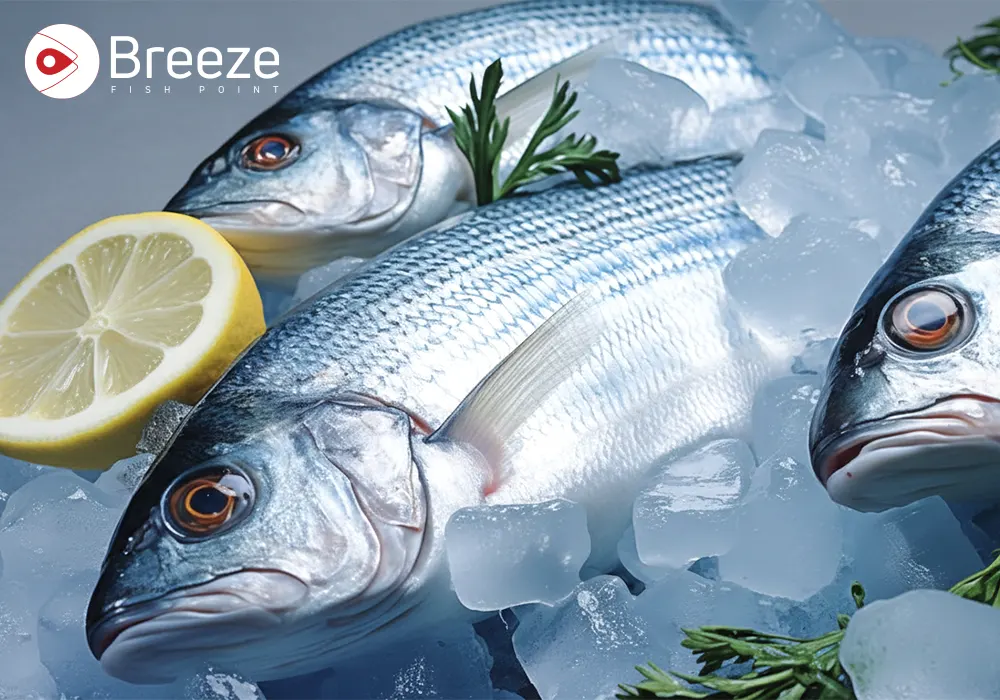
How to Pick the Best Fresh Fish and Frozen Fish for Your Meals
Buying fresh fish is one of those things that sounds easy until you’re actually standing in front of the counter. You look at the fish, you look at the price, you look at the seller, and suddenly your confidence disappears. You start wondering if the fish is truly fresh, if frozen would be safer, or if you should just skip fish altogether today.
If you’ve ever felt that hesitation, you’re not alone. Most people feel it. Fish is delicate, and no one wants to make a mistake with it. The good news is this: choosing good fish doesn’t require expert knowledge. It just requires a little awareness, a little patience, and trust in your senses.
This guide is written for real people who cook at home. Not chefs. Not food critics. Just people who want to eat well without stress.
Why Fresh Fish Feels Different Even Before You Taste It
There’s something about good fresh fish that you notice immediately. It doesn’t shout for attention. It doesn’t smell strong. It looks calm, clean, and natural.
When you cook fresh fish, the kitchen smells light. The fish holds its shape. It doesn’t release too much water into the pan. And when you eat it, you don’t feel heavy afterward.
Fish that isn’t fresh behaves very differently. The smell becomes sharp. The flesh feels soft or sticky. Cooking feels like a struggle. Many people blame their cooking skills when the real issue is the quality of the fish itself.
Fresh fish supports your health, too. It’s rich in protein, omega-3 fats, and nutrients that quietly help your heart, brain, and energy levels. When fish loses freshness, it loses much of that value.
A simple rule many people learn the hard way:
If you feel unsure about the smell, walk away.
Understanding Freshwater Fish without Complication
Many families believe in freshwater fish because it fits naturally into routine cooking. These fish come from rivers, lakes, and fish farms, and they’re rarely more cheap and easier to prepare than sea fish.
Ordinary freshwater fish include rohu, catla, tilapia, and pangasius. These fish have a meek taste and fleecy quality, which makes them perfect for home-style cooking.
Why do people select freshwater fish?
- The flavor isn’t irresistible
- It works well with spices
- It cooks rapidly
- It’s known and satisfying
Freshwater fish is particularly best-selling for family nourishment because it doesn’t affect the dish. It mixes in, letting the spices and preparation way shine.
Why Boneless Fish Makes Life Easier
Let’s be honest, fish bones can be stressful. That’s exactly why boneless fish has become so popular in recent years.
Boneless fish removes one of the biggest worries people have about eating fish. You don’t need to inspect every bite. You don’t worry about kids or elders. You can relax and enjoy the meal.
It’s ideal for:
- Busy weekdays
- Quick lunches
- Children’s meals
- People new to cooking fish
When buying boneless fish, keep your expectations simple. The flesh should look moist, feel firm, and smell clean. If it looks dry or grey, it’s better to leave it.
Convenience doesn’t mean compromise. Sometimes, it simply means practicality.
Clearing the Myths around Frozen Fish
Frozen fish often gets judged unfairly. Many people assume frozen means old or low quality. In actuality, that’s not ever true.
Fish like frozen salmon is often frozen briefly after being caught. This helps fix nutrients and health. In the meantime, some “fresh” fish may have traveled for days before reaching the buffet.
When purchasing frozen fish in Karachi, look for:
- Snug, unbroken packaging
- No strong smell once unfrozen
- Nominal ice crystals internal
Frozen fish offers tractability. You can stock it, plan meals more finely, and confront waste. For many families, frozen seafood fits recent life much improved than everyday market visits.
Choosing and Cooking Frozen Salmon Comfortably
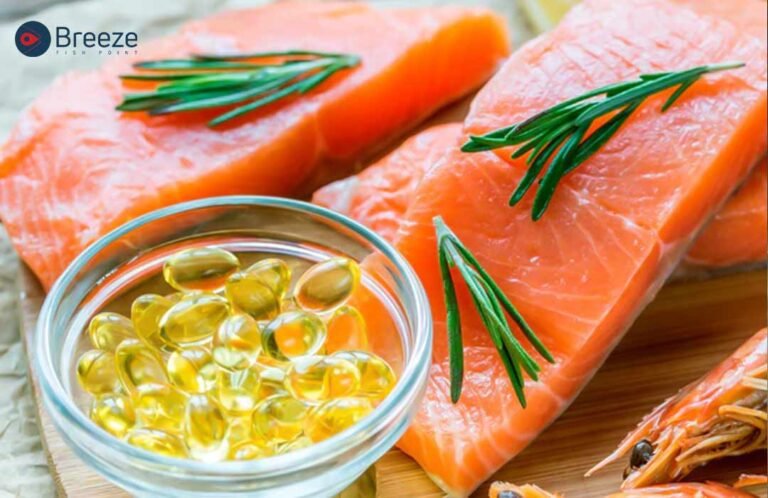
Frozen salmon is a favorite for many households because it’s nutritious, filling, and easy to work with.
To enjoy it fully:
- Thaw it slowly in the fridge
- Pat it dry before cooking
- Cook gently, not aggressively
Salmon doesn’t need heavy spices. Simple seasoning allows its natural flavor to come through. Overcooking dries it out, so once it flakes easily, it’s ready.
Visiting a Fresh Fish Market in Karachi without Feeling Lost
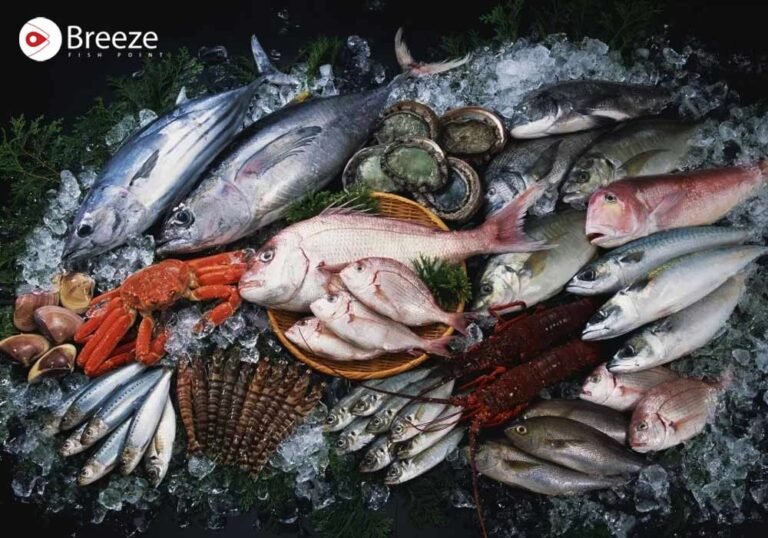
A fresh fish market in Karachi can feel overwhelming if you’re not used to it. There’s noise, movement, and strong smells all around. But once you know what to look for, it becomes easier.
Things experienced buyers notice:
- Clear, bright eyes
- Firm flesh that springs back
- Shiny skin
- A mild, watery smell
Going early in the morning helps because that’s when the freshest catch arrives. Vendors usually know which fish is new that day; don’t hesitate to ask.
Markets may feel chaotic, but they often offer better freshness and better prices than packaged fish.
Supermarkets or Markets: There’s No Right Answer
Some people prefer supermarkets. Others choose a local grocery store. Both selections are affected.
Supermarkets are helpful for:
- Boneless fish
- Compact freshwater fish
- Frozen fish in Karachi
General markets are finer for:
- Entire fish
- Regular fresh catch
- Negotiable pricing
Select what suits your plan and relief. Great food should make life easier, not more complex.
Cooking Freshwater Fish without Overthinking
Fish doesn’t need complex techniques. The simpler you cook freshwater fish, the better it tastes.
Easy methods include:
- Light frying
- Gentle curries
- Steaming with herbs
Fish cooks quickly. When it flakes easily with a fork, it’s done. Cooking it longer only takes away moisture and flavor.
Over time, you’ll develop a natural sense for it, no timers, no stress.
Why Fresh Fish Is Kind to Your Body
Eating fresh fish regularly supports your body in quiet ways.
Fish helps with:
- Heart health
- Brain function
- Skin and hair strength
- Balanced weight
- Joint comfort
Even frozen fish retains most of these benefits when handled properly. That’s why frozen fish in Karachi can still be a healthy and reliable option.
Storing Fish at Home the Right Way
Buying good fish is only part of the process. How you store it matters just as much.
Simple storage habits:
- Fresh fish: Use within 1–2 days
- Boneless fish: Store in airtight containers
- Frozen fish: Keep at a consistent freezing temperature
Always thaw fish in the refrigerator. Never at room temperature.
FAQs People Ask in Real Life
What is the best fresh fish to eat?
Which supermarkets have fresh fish?
Final Thoughts (Quiet and Honest)
You don’t need to be an expert to buy fish. You just need to slow down and trust your senses.
Whether you choose boneless fish for ease, freshwater fish for daily meals, or frozen salmon for busy weeks, the goal is simple: food that feels good to cook and good to eat.
Confidence doesn’t arrive suddenly. It builds slowly, one purchase at a time.