Aquaculture Farming: Fish Species, Systems, and Basic Practices
Aquaculture Farming Is More Than Just Raising Fish
For an aquaculture farmer, a pond is never just a pond.
You start noticing things that you probably would not notice before getting into fish farming. You look at the water and wonder whether it is warm enough. You watch the fish during feeding and notice when they are not as active as usual. You start paying attention to small changes because those small changes can sometimes tell you that something needs attention.
That is what aquaculture farming is really like.
From the outside, fish farming can look easy. Put fish in water, give them food, wait for them to grow, and sell them. Anyone who has actually managed fish knows there is more to it.
So, What Exactly Is Aquaculture?
The easy detail is that aquaculture farming means fish and other aquatic animals cultivation under required conditions.
Instead of hunting fish from other waters, farmers grow them in areas such as ponds, tanks, cages, or other cultivation systems.
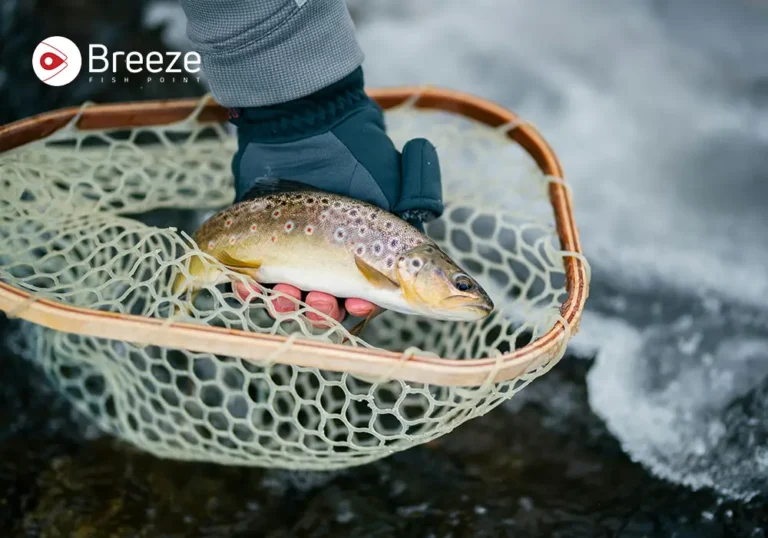
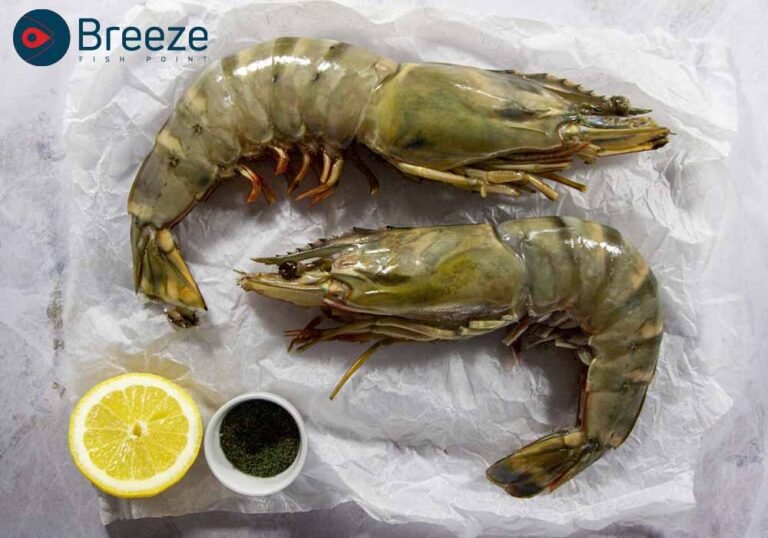
It depends on type of animal. Some farms focus on freshwater fish, while others cultivate shrimp, prawns, oysters, mussels, or marine fish.
For someone just getting started, freshwater fish farming is often easier to understand because several species are already widely farmed.
But there is no universal recipe for aquaculture.
The right species and farming system depend on your water, climate, available land, budget, and, perhaps most importantly, what people around you actually want to eat.
Choosing a Fish Is Not Just About Price
One of the first things a new farmer usually asks is, “Which fish should I raise?”
It is a fair question.The problem is that there is no fish that is automatically the best choice for every farm.
Take tilapia, for example. It can be a good option in suitable warm-water conditions, but that does not mean it will be the right choice for every location. The same goes for rohu, carp, or catfish.
Before choosing a species, think about how easily you can obtain healthy fingerlings, whether the climate suits the fish, what kind of feed it needs, how long it takes to reach market size, and who will buy it.
Here is a simple starting point:
| Fish Species | Why It Is Commonly Farmed | Things to Check |
| Tilapia | Popular warm-water fish with good growth potential | Temperature and local demand |
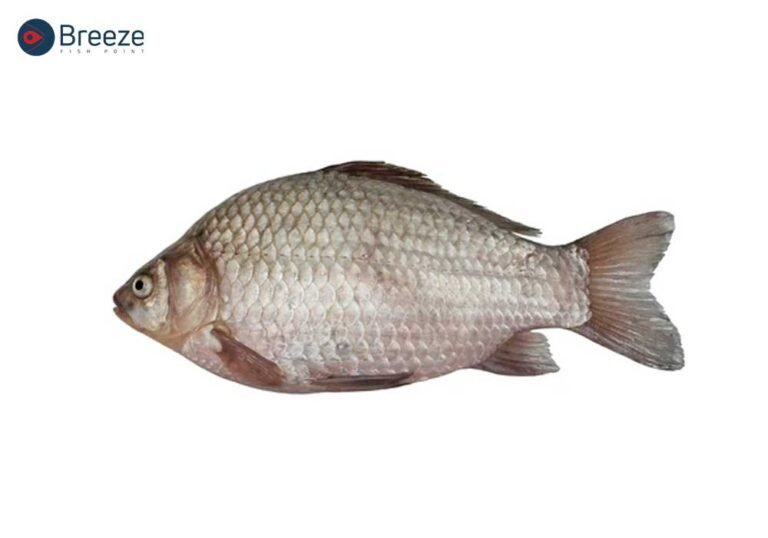
| Rohu | Familiar freshwater food fish | Water quality and market |
| Catfish | Can be raised in several types of systems | Feed and oxygen needs |
| Common Carp | Established freshwater farming species | Pond suitability and price |
| Grass Carp | Useful in suitable pond environments | Appropriate feed availability |
The most profitable fish on paper is not necessarily the most profitable fish on your farm.
A fish that grows well and has reliable buyers is usually a much safer choice.
Different Ways to Raise Fish
After deciding what you want to raise, you have another question to answer: where will the fish live?
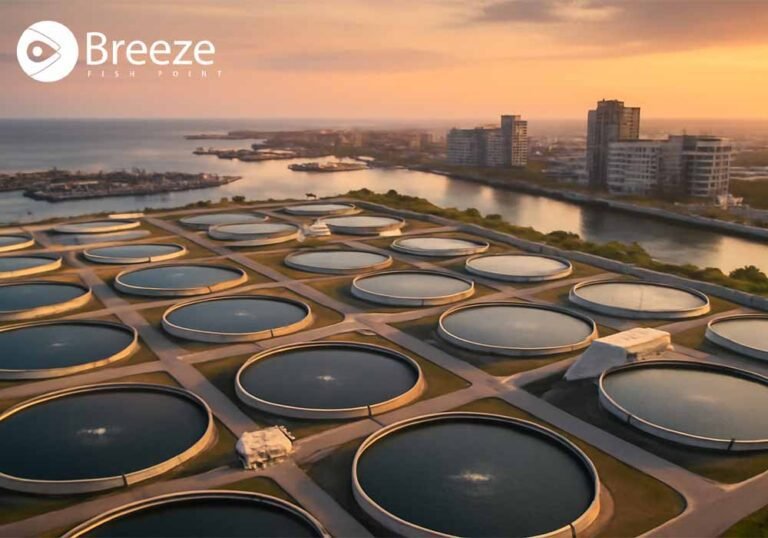
There are several aquaculture farming systems, and they range from relatively simple ponds to highly controlled commercial setups.
Earthen Ponds
Earthen ponds are probably the most familiar form of fish farming.
If you have suitable land and a reliable water source, a pond can provide a practical environment for freshwater fish.
There is a natural feel to pond farming, but it also means you need to pay attention to things such as water quality, pond depth, drainage, weeds, predators, and oxygen levels.
Tanks
Tanks give you more control over the environment.
They can be useful where land is limited or where the farmer wants to monitor the fish more closely. Depending on the setup, you may need pumps, aeration, filtration, and regular water testing.
The advantage is control. The disadvantage is that equipment and electricity can add to your running costs.
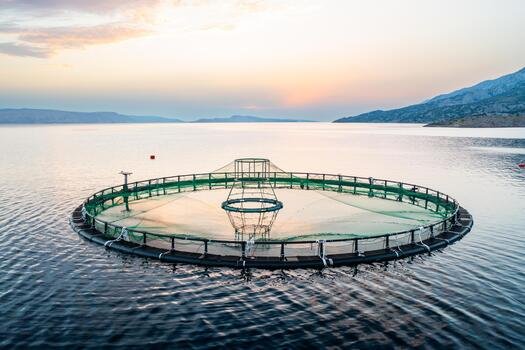
Cage Farming
Cage farming is different because the cages are placed in a larger natural water body, such as a lake, reservoir, or suitable marine area. Water can flow through the cages while the fish remain contained.
It can be an applicable way in a right direction, but sometimes it is important to observe local regulations.
Recirculating Aquaculture Systems
A recirculating aquaculture system, may named RAS, takes a more experimental approach. Water is recycled after purification inspite of replaced. This can create intense production in a limited water or land.
The catch is that these systems depend heavily on equipment. Pumps, filters, oxygen, and monitoring systems need to work properly.
For a beginner, simpler is often better if it matches your circumstances.
Water Quality Can Make or Break a Farm
Fish cannot walk away when their water becomes unsuitable.
That is why water quality management deserves so much attention. Temperature, dissolved oxygen, pH, ammonia, and other conditions can affect how fish feed, grow, and survive.
And here is something beginners sometimes discover the hard way: water can look clean and still have a problem. This is why testing matters. But your eyes matter too.
Watch your fish when you feed them. If they suddenly stop eating, become unusually slow, gather around the surface, or start swimming differently, do not simply brush it off.
You do not need to panic every time fish behave differently, but unusual behavior is worth investigating. A good aquaculture farmer learns what normal looks like in their own pond or tank. Once you know the normal pattern, changes become easier to spot.
Stocking the Pond: Resist the Urge to Add More Fish
This is one of those areas where enthusiasm can get the better of a new farmer. You have a pond. You have fingerlings. It is tempting to think, “Why not add a few hundred more?”
Because your system has a limit.
Fish stocking density requires to relate the size and space of your pond or tank, the species you are growing, the oxygen level, water exchange, and your management strategies.
When fish quantity exceeds, they compete for food and oxygen. Water quality can become harder to maintain, and stressed fish may become more vulnerable to health problems.
More fish do not always mean more profit. Sometimes fewer fish, raised well, can give you a much better result.
Feeding Fish Without Throwing Money Into the Water
Feed is one of the expenses that follows you throughout the production cycle. That makes fish feed management a big part of running a sensible farm. Fish need enough nutrition to grow, but there is no benefit in giving them more food than they can consume.
Uneaten feed does not disappear. It becomes waste and can contribute to water-quality problems. The right feeding routine depends on the species, fish size, water temperature, growth stage, and stocking level.
Keep a simple record of your daily feed use. It does not need to be complicated. A notebook can tell you something very useful after a few months: how much feed you are actually spending to produce your fish.
That number can be far more useful than a general estimate you find online.
Healthy Fish Usually Start With Good Management
There is no magic medicine that can replace proper farm care. Good fish health management starts before the fish even enter the pond.
Buy healthy fingerlings from a dependable supplier. Avoid unnecessary handling. Keep your equipment clean. Maintain suitable water conditions and do not overcrowd the fish.
Then observe them. Are they eating normally? Are they swimming properly? Are there dead fish? Do some fish look different from the others?
These are simple questions, but they can help you notice trouble early. If you suspect a serious disease problem, get help from an aquaculture professional or aquatic animal health specialist instead of guessing at treatments.
What Does Good Pond Management Look Like?
For a pond farmer, fish pond management becomes part of everyday life. You need to keep an eye on the water level, pond condition, vegetation, fish activity, possible predators, and general cleanliness.
Dead fish should be removed promptly. Equipment should be kept clean. Water should be tested regularly according to the needs of your farming system. And sometimes the best thing you can do is simply walk around the pond.
Look at it.
Listen to it.
Watch the fish during feeding.
Over time, you become familiar with what your pond normally looks like. That experience can help you notice when something has changed.
Harvesting Is Not the End of the Job
After months of feeding and monitoring, the fish eventually reach the size you want. It is the time harvesting begins. It seems like the simplest part because the fish are prepare to sell, but handling also effects.
Insecure handling can spoil fish and decrease their quality. You also require to observe about how rapidly the fish will reach the buyer and how they will be forwarded. Your customers may include local markets, wholesalers, restaurants, retailers, or individual buyers.
So, fish harvesting practices should be planned before harvest day. You do not want a pond full of ready-to-sell fish and no clear plan for getting them to customers.
Keep Records, Even If Numbers Aren’t Your Favorite Thing
Not every farmer enjoys paperwork. Still, records can tell you what your farm is really doing.
Keep track of:
- Fingerlings purchased
- Feed used
- Fish losses
- Water-quality problems
- Labor costs
- Electricity
- Equipment and maintenance
- Harvest quantity
- Selling price
These records help you understand your aquaculture business from a financial point of view.
You may discover that feed is costing more than expected. You may find that one pond performs better than another. You may even realize that a different selling method gives you a better return.
Without records, you are mostly guessing.
Common Problems New Aquaculture Farmers Face
Every farmer has a few bad days.
Maybe the fish do not grow as quickly as expected. Maybe feed costs increase. Perhaps the water quality changes after heavy rain. Or maybe a buyer offers less money than you expected.
That is part of the reality of running a farming business. Some mistakes, however, can be avoided.
New farmers should be careful about:
- Choosing fish without researching the market
- Overstocking ponds
- Buying poor-quality fingerlings
- Ignoring water testing
- Overfeeding
- Spending too much on equipment at the beginning
- Keeping no financial records
- Relying on one buyer
- Expanding before understanding the first production cycle
You do not have to get everything perfect. You just need to learn from what happens.
What Makes Someone a Good Aquaculture Farmer?
Being a good aquaculture farmer has less to do with having a huge farm and more to do with paying attention.
You need patience because fish take time. You need consistency because feeding and water checks cannot be ignored. And you need curiosity because every production cycle can teach you something.
Why did one pond produce better results? Why did feed consumption increase? Why did fish behave differently after a change in weather?
The farmer who asks these questions is already learning how to improve. Over time, those observations become experience.
Final Thoughts
Aquaculture farming is a practical business, but it is also a business that rewards people who pay attention.
Choose fish that suit your environment and have a market. Pick a farming system you can actually manage. Give your fish suitable water, proper feed, and enough space. Watch their behavior instead of relying only on equipment.
And do not forget the business side.
A healthy pond does not automatically mean a profitable farm. You also need to know your costs and understand where your fish will be sold. If you are just getting started, there is no need to build a massive operation on day one.
Start with what you can manage. Learn from your first cycle. Keep records. Talk to experienced farmers. Make changes when something is not working. Then, when you are ready, grow.
That is how knowledge slowly turns into experience and how a beginner can eventually become a confident aquaculture farmer.
Frequently Asked Questions
1. Which aquaculture system is suitable for beginners?
An earthen pond can be an applicable select when proper land and water are provided.
3. Why does water quality matter so much in fish farming?
Fish fully rely on water for existence. Problems with oxygen, temperature, pH, ammonia, or other water conditions can affect whole survival.
4. How can a farmer avoid wasting fish feed?
Feed according to the species, fish size, growth stage, temperature, and stocking conditions will avoid waste.
5. What is the most useful skill for an aquaculture farmer?
Observation is one of the most useful skills for farmer.