How to Start an Aquaculture Farming Business: A Realistic Guide for Beginners
If you are thinking about becoming an aquaculture farmer, you probably have one big question in mind: “Can I really turn fish farming into a business?”
The short answer is yes, but it takes more than putting fish into a pond and waiting for them to grow.
A fish farm needs attention every day. The water should be neat, fish requires appropriate feed, and you have to observe all things in right direction. On the business side; buying supplies, expense management, hunting clients, and be sure about the worldwide cost.
It sounds a lot, particularly if you are entirely new to farming. But start with little as a safe side. In fact, starting small and learning as you go can be a much better way to enter the industry.
First, Understand What Aquaculture Really Is
You have probably heard the word aquaculture, but the idea behind it is fairly simple.
Aquaculture farming means raising fish or other aquatic animals in a controlled environment. Depending on the type of farm, that environment could be an earthen pond, concrete tank, lined pond, cage, or a more advanced production system.
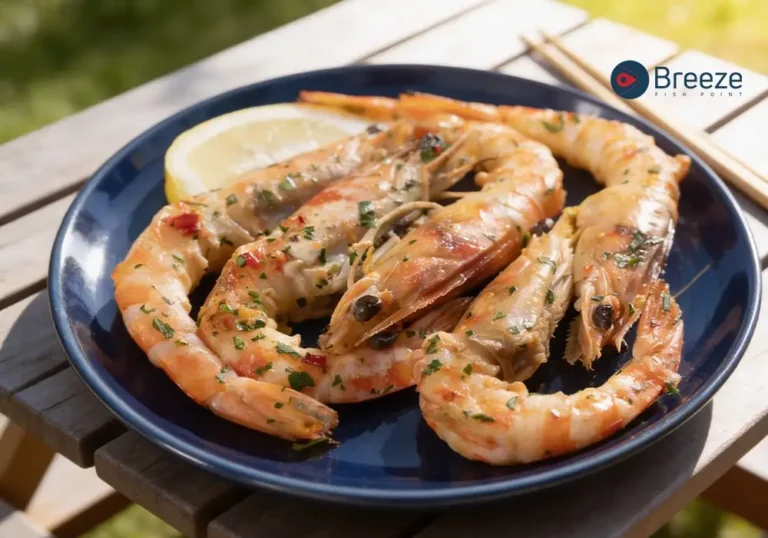
Fish farming is one part of aquaculture. Shrimp, prawns, oysters, and other aquatic species can also be raised commercially.
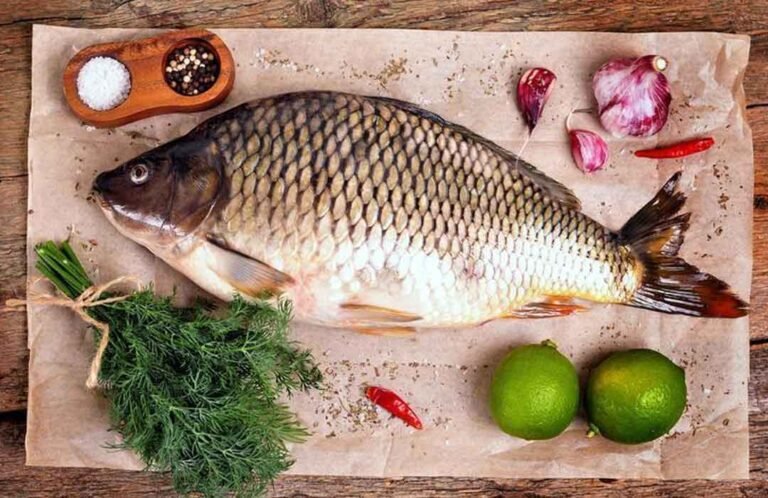
For someone starting out, freshwater fish may be easier to understand than a highly technical aquaculture system. Tilapia, rohu, carp, and catfish are examples that may be considered depending on local conditions.
The key word here is local.
What works for a farmer in one area may not work for another farmer because the climate, water, soil, prices, and customers can all be different.
Don’t Buy Fish Until You Know Who Will Buy Them
This is probably the first piece of advice I would give to a new fish farmer.
Look for customers before you build your farm.
It is easy to get excited about setting up ponds and buying fingerlings. But imagine reaching harvest time and realizing that the buyers in your area prefer another species or a different fish size.
That is a situation you can avoid with a little research.
Go to local fish markets. Talk to sellers. If there are restaurants nearby, ask what type of fish they normally purchase. Speak with wholesalers and retailers too.
You do not need a formal market survey. A few honest conversations can tell you a lot.
Find out what people buy, how much they usually buy, what size they prefer, and what price they are willing to pay.
Those answers can shape your entire aquaculture business plan.
Choosing the Fish Is More Complicated Than It Looks
Once you understand the market, then you can think about the species.
Many beginners ask, “Which fish is the most profitable?”
There really is no single answer.
A fish can be easy to raise but difficult to sell in your area. Another species may have a strong selling price but require conditions you cannot provide.
Here is a quick look at some commonly farmed freshwater fish:
| Fish | Why Farmers Consider It | What to Think About |
| Tilapia | Often suitable for warm conditions | Local demand and water temperature |
| Rohu | Familiar and popular in many markets | Water quality and growth conditions |
| Catfish | Can work in different farming systems | Feed costs and management |
| Common Carp | Established freshwater farming option | Local price and customer demand |
| Grass Carp | Can suit particular pond systems | Availability of suitable feed |
So instead of asking which fish is “best,” ask yourself:
Which fish can I raise comfortably and sell without too much trouble?
That is a much more useful question.
Your Farm Location Matters More Than You May Think
Once you have settled on a species, look at your location.
Fish need water, but you need much more than simply having water nearby.
You need a reliable source that is suitable for the fish you plan to raise. You also need proper drainage because there will be times when water needs to be removed or replaced.
If you are planning an earthen pond, soil is another consideration.
Then think about everyday practicalities. Can a vehicle reach the farm? Can you easily bring in bags of feed? What happens when you need to transport a large harvest?
These things may seem minor when you are looking at an empty piece of land. They become much more important once the farm is running.
Before you commit to a location, check the water, soil, drainage, electricity, road access, and flooding risk.
You Don’t Need the Most Expensive Farming System
There is sometimes a temptation to think that a modern fish farm needs expensive equipment and complicated technology.
It doesn’t always.
An earthen pond can be perfectly practical when the land, soil, water, and species are suitable.
Tanks are another option, particularly where land is limited or where a farmer wants more control over the production environment.
Then there are recirculating aquaculture systems, which reuse treated water and can support intensive production. These systems can be impressive, but they also require more equipment, technical knowledge, and careful monitoring.
If you are new to the business, choose something you can actually manage.
There is no prize for making your first farm more complicated than it needs to be.
Learn to Pay Attention to the Water
A fish cannot tell you that something is wrong with its environment.
It can only react to it.
That is why water quality management is such a big part of fish farming.
Temperature, dissolved oxygen, pH, ammonia, and other water conditions can affect fish health and growth. You need to monitor these conditions rather than assuming that clear-looking water is automatically healthy water.
And sometimes your fish will give you clues.
If they suddenly stop feeding, gather near the surface, become unusually slow, or start behaving differently, take a closer look.
You do not have to panic every time fish behave differently. But you should be aware of uncommon alterations.
Routine examinations and pond servicing help to overcome issues.
Start With Good Fingerlings
Your first batch of fish deserves some attention. Purchasing low quality fingerlings can save money for today but it creates panic for future. Try to work with a reliable hatchery or supplier. Also, resist the urge to overcrowd your pond.
It is easy to think that more fish will automatically mean more money at harvest. Unfortunately, too many fish can put pressure on oxygen levels, increase competition for feed, and make disease and water-quality problems more difficult to manage.
As a new aquaculture farmer, it is better to understand what your pond can comfortably handle before increasing the numbers.
Feed Carefully; Because Feed Costs Add Up
Once the fish are in the pond, feeding becomes part of your daily routine.
And this is where fish feed management can make a noticeable difference to your expenses. Fish need proper nutrition to grow, but giving them extra feed does not necessarily make them grow faster. Uneaten feed can stagnant water.
The desire quantity relies on the species, size, water temperature, stocking, and development. Keep track of what you feed.
It can be as simple as writing the amount in a notebook every day. After a while, those notes will help you see how much feed you are using and whether your costs are moving in the right direction.
That information becomes very useful when you calculate your actual production cost.
Spend a Few Minutes Watching Your Fish
One of the simplest things you can do as a farmer costs absolutely nothing.
Look at your fish.
Not just when you are feeding them. Watch how they swim. Notice whether they are active. Look at their feeding behavior.
Over time, you will become familiar with what “normal” looks like for your farm.
That makes it easier to notice when something changes.
Good fish pond management is not always about doing something complicated. Sometimes it is simply noticing a small problem early enough to do something about it.
Keep equipment clean, remove dead fish quickly, and avoid unnecessary handling.
If you suspect disease, speak with a qualified aquaculture professional rather than experimenting with random treatments.
Know Where Your Money Is Going
Before you start spending, make a realistic estimate of your fish farming investment.
Your costs could include:
| Area | Possible Costs |
| Land | Purchase or lease |
| Pond or tanks | Construction and preparation |
| Water | Pumps, pipes and storage |
| Fingerlings | Initial stock |
| Feed | Regular feeding costs |
| Equipment | Nets, testing equipment, aeration |
| Labor | Farm workers |
| Electricity | Pumps and other equipment |
| Transport | Feed and fish delivery |
| Maintenance | Repairs and replacements |
One mistake I would strongly avoid is putting every available rupee into construction.
The farm still has to run after the pond is finished.
You will need money for feed, electricity, labor, transportation, maintenance, and unexpected problems. Keeping some working capital aside can make the difference between calmly handling a problem and scrambling to find money when something goes wrong.
Think About Selling From Day One
There is no cause of growing healthy fish , if you don’t have any client. Your potential clients may be wholesalers, regional markets, restaurants, stores, retailers, or domestic clients.
Some farmers hunt for wholesalers. Others prefer selling directly because they can develop relationships with individual customers.
Both approaches can work.
What matters is understanding your own market.
Start building buyer relationships while your fish are growing. That way, harvest day does not arrive with you wondering, “Who is going to buy all this fish?”
Good aquaculture marketing starts long before the fish leave the pond.
So, Can You Actually Make Money From Aquaculture?
Yes, but don’t believe anyone who promises a guaranteed profit.
Fish farming profitability depends on your own numbers.
Feed prices, fish survival, growth rate, labor, electricity, transportation, stocking density, and selling prices all have an impact.
A better way to look at the business is to calculate how much it costs you to produce a kilogram of fish.
Then ask what buyers in your area are realistically willing to pay.
If your production cost is comfortably below your selling price, you have room to make money. If the two numbers are too close, you need to rethink your costs, selling strategy, or even your choice of species.
That is the kind of calculation worth doing before you invest.
A Few Mistakes Can Be Very Expensive
Every new farmer makes mistakes. That’s part of learning.
Still, some common mistakes are easy to avoid.
Don’t:
- Put too many fish into a pond
- Choose a species without checking demand
- Buy unhealthy fingerlings simply because they are cheaper
- Ignore changes in water quality
- Feed more than the fish need
- Spend the entire budget on construction
- Forget to keep financial and production records
- Depend entirely on one buyer
- Expand before you understand your first production cycle
Starting small is not a weakness.
It gives you room to learn.
What Should Your First Year Really Look Like?
If you are serious about becoming an aquaculture farmer, your first year should not only be about chasing the biggest possible harvest.
It should be about understanding the business.
Visit other farms if you can. Talk to farmers who have already made mistakes and learned from them. Spend time in your local fish market. Learn how different fish are priced.
Most importantly, keep records throughout your own production cycle.
Write down your feed expenses, fish losses, growth, water problems, labor costs, and sales.
At the end of the cycle, you will have something extremely valuable: your own data.
You will know what actually happened on your farm instead of relying on someone else’s numbers.
That makes your next production cycle much easier to plan.
Final Thoughts
Starting an aquaculture farming business can be a rewarding move, but it is better approached with patience than excitement alone.
You don’t need to build the biggest farm in your area. You don’t need the most expensive equipment. And you certainly don’t need to pretend you already know everything.
Start with a fish that suits your local market. Make sure you have reliable water. Buy healthy stock. Feed carefully. Watch your fish. Keep track of your money. And, perhaps most importantly, know who you plan to sell to.
Your first cycle may not be perfect but that’s okay.
In whole, successful aquaculture farming is not perfection from day one but its more about learning, giving proper time, and making the next cycle improved than the previous.
Frequently Asked Questions
1. How much money is needed to start an aquaculture farming business?
There is no exact amount. It relies on your land, size, fish species, equipment, feed, labor, and production goals.
2. Which fish is good for a beginner?
Tilapia, rohu, carp, and catfish can be counted better.
3. Can I start fish farming with a small pond?
Yes. A small tank can be a sensible startup. It is a practical approach.
4. What is usually the biggest running expense?
Feed is often one of the largest recurring expenses, although labor, electricity, transportation, fingerlings, and maintenance can also add significantly to the total cost.