
How to Start Fish Farming: A Beginner's Cultivation Guide
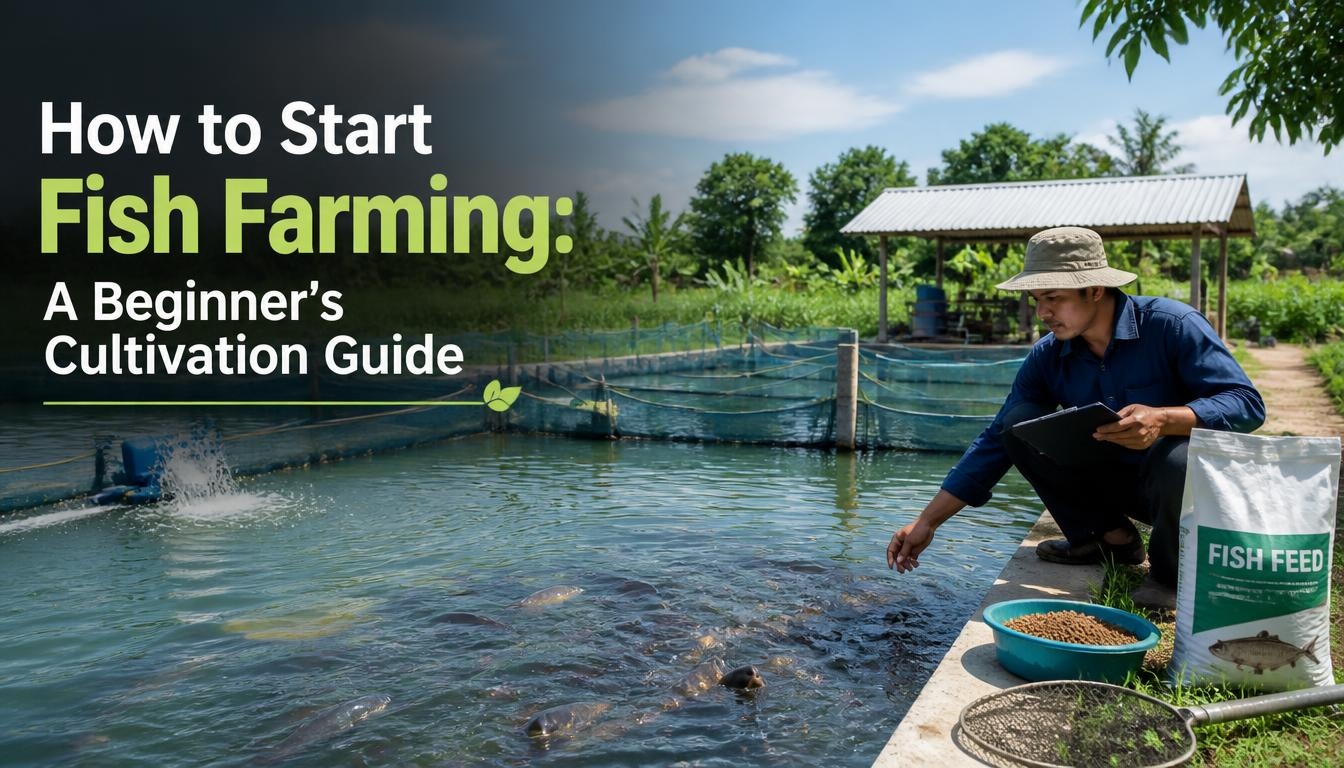
Nearly half the seafood eaten around the world today comes from farms rather than open water, and that share keeps climbing. If you're weighing a small backyard pond, a side hustle, or eventually a full commercial setup, the cultivation of fish is one of the more approachable ways to get into farming though a few early missteps can easily wipe out a season's work. This guide covers what fish farming really involves, which systems and species make the most sense for someone starting out, how to get your first setup right, and what it genuinely costs to begin.
What Does Fish Cultivation Actually Mean?
Fish cultivation better known as fish farming or aquaculture is simply the practice of raising fish in a managed environment, whether that's a pond, a tank, a cage, or an enclosed system, instead of harvesting them from open water. The scale ranges enormously, from a small household pond feeding one family to large commercial operations shipping thousands of tonnes a year.
People get into fish farming for different reasons: dependable protein for the household, an income source that doesn't need a huge plot of land, and, on a bigger scale, a way to fill the gap left as wild fisheries struggle to keep up with demand. Aquaculture has been one of the fastest growing parts of global food production for decades now, precisely because wild caught supply has plateaued while demand keeps rising.
Fish Farming Systems, Compared
The system you pick determines your costs, how much space you need, and which fish will actually do well.
Pond Culture
The go to choice for most first time farmers, particularly where land and a dependable water source are both available. Fish grow in earthen or lined ponds, feeding partly on natural sources like algae and plankton and partly on commercial feed. It's the cheapest system to set up and the most tolerant of beginner mistakes.
Cage Culture
Here, netted cages sit inside an existing body of water a lake, river, or coastal area letting fish grow in a natural setting while staying contained for feeding and harvest. Land costs are lower than with ponds, but you're at the mercy of water conditions you don't fully control, and you need access to a suitable body of water in the first place.
Recirculating Aquaculture Systems (RAS)
RAS keeps fish in tanks where water is continuously filtered and reused rather than swapped out. It packs far more fish into a smaller space and works even where there's no natural water source nearby, but the equipment costs more upfront and demands closer attention to water chemistry.
Biofloc Systems
A more recent method that relies on beneficial bacteria to turn fish waste into a secondary food source inside the same tank, cutting down on water changes and feed bills. Biofloc can be very productive in tight spaces, but it takes more hands on attention and some trial and error to keep the bacterial balance right.
Which Fish Should Beginners Start With?
Picking the right species matters just as much as picking the right system. New farmers do best with tough, quick growing fish that can handle imperfect water and already have buyers lined up locally.
Species | Time to Harvest | Water Tolerance | Suited To |
Tilapia | 6 8 months | High | Ponds, RAS, new farmers |
Catfish | 6 9 months | High (handles low oxygen) | Ponds, dense stocking |
Carp | 8 12 months | Moderate to high | Ponds, mixed species farming |
Rohu | 10 12 months | Moderate | Ponds, South Asian demand |
Tilapia consistently tops beginner recommendations worldwide because it grows fast, resists disease well, and shrugs off water conditions that would stress other species. Catfish comes in a close second, especially in ponds, since it tolerates low oxygen water far better than most alternatives. Carp and rohu make more sense for farmers selling into markets where those species already have strong local demand.
Building Your First Setup
Nailing the setup before a single fish goes in the water saves far more headaches than trying to fix things afterward.
Choosing a site. Look for reliable water access, good drainage, and clay heavy soil if you're digging an earthen pond, since it holds water well. Steer clear of low ground that floods easily or sits near farmland runoff.
Water source and testing. A steady, clean water supply borewell, river, or municipal is essential. Check pH (aim for 6.5 to 8.5 for most species), dissolved oxygen, and ammonia before stocking, then keep testing on a regular schedule.
Prepping the pond. New ponds should be limed first to correct pH and knock back unwanted organisms, then fertilized to build up natural food like plankton ahead of stocking.
Getting stocking density right. Overstocking is probably the single most common rookie error. The right density depends on species and system, but starting conservative in your first cycle and adjusting from there is the safer path.
Feeding Fish for Steady Growth
Feed usually eats up the largest chunk of ongoing costs in fish farming often 50 to 70 percent of total production spend so getting feeding efficiency right early pays off fast.
Most beginners combine natural pond nutrients with commercial pelleted feed matched to their species. Feed needs shift across life stages fry, fingerling, and grow out all call for different protein levels and pellet sizes. Overfeeding burns money and fouls water as leftovers decompose underfeeding stalls growth and creates uneven sizes across the stock.
Checking growth regularly sampling and weighing fish every couple of weeks shows whether feed conversion is on track and surfaces problems while there's still time to fix them.
Challenges New Farmers Run Into
A handful of issues show up again and again for first time fish farmers, and nearly all of them are avoidable with routine monitoring.
- Slipping water quality the leading cause of disease and stress routine testing catches trouble before it turns fatal.
- Disease usually tied to poor water conditions, overcrowding, or bringing in already infected stock quarantine new arrivals and keep gear clean.
- Predators birds, snakes, and other wildlife can eat into stock fast in open ponds nets and fencing are the standard defense.
- Low oxygen a bigger risk overnight or in hot weather adding aeration equipment early is usually worth the cost.
- Theft an easy risk to overlook, especially for farms in accessible or rural spots.
What It Costs and What to Expect
Startup costs swing widely depending on system and scale. A basic earthen pond can get going on a modest budget covering pond digging or lining, starter fingerlings, one cycle's worth of feed, and simple water testing gear. RAS and biofloc setups cost noticeably more upfront thanks to tanks, pumps, filters, and aeration, but they can pack in more production per square foot over time.
Harvest generally takes 6 to 12 months depending on species, so plan on at least one full cycle before expecting real returns and treat that first cycle as tuition as much as profit. Overstocking, underbudgeting for feed, skipping water testing, and scaling too fast before mastering one pond or tank are the mistakes that most often eat into beginner profitability.
FAQ
What does fish cultivation actually involve?
It means raising fish in a controlled setting a pond, tank, or cage instead of catching them in the wild. This is commonly known as fish farming or aquaculture.
Can beginners actually make money farming fish?
Yes, though it usually takes more than a single growth cycle before profits show up, as new farmers dial in stocking rates, feeding, and local demand for their species.
Which fish is simplest to raise as a first attempt?
Tilapia tops most beginner lists thanks to how quickly it grows, how disease resistant it is, and how much variation in water quality it can handle.
What's a realistic budget for a first small farm?
It depends heavily on the system pond setups are the cheapest way in, while RAS and biofloc systems need a bigger upfront spend on tanks and equipment.
How many months until fish are ready to harvest?
Most species suited to beginners reach market size somewhere between 6 and 12 months, depending on the species and how well conditions are managed.
Is a permit required to farm fish?
That depends on where you're located rules differ by country and region, so it's worth checking with local fisheries or agricultural authorities before starting.
Aquaculture vs. fish farming is there a real difference?
Aquaculture is the umbrella term for farming any aquatic organism, including shellfish and aquatic plants, while fish farming specifically means raising fish.