
Explore Numerous Types Of Fish In Pakistan
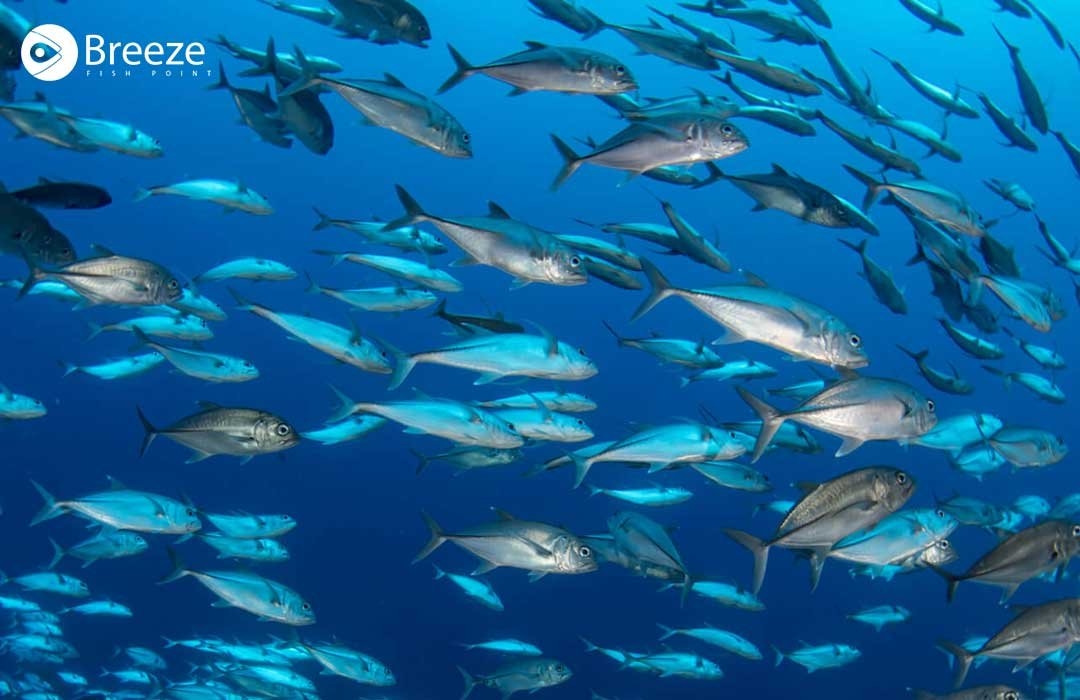
Pakistan has several rivers, lakes, and seas where numerous types of fish in Pakistan are found and consumed by people. Starting from the favorite freshwater fish of India namely rohu to the popular sea fish like surmai, the country has a variety of fish that are not only commercially important but also aquaphilic. For the fishermen, those interested in seafood, and anybody with an inherent fondness for the variety that the sea treasures.
Top Best Types Of Fish In Pakistan
Here is a look at the freshwater and marine species that make up the fishing industry in the country:
1. Rohu Fish (Labeo Rohita)
Rohu fish which is scientifically called Labeo Rohita is among the most popular freshwater fish in Pakistan. This fish lives in the rivers and lakes, in Punjab and Sindh provinces; it has a tender and quite mild taste. Rohu is considered to be a widely used fish in Pakistani cuisine.
While rohu is quite popular among the people of Pakistan, it also has relevance to the aquaculture sector because of its popularity in Pakistan and is one of the most cultured fish all over Pakistan.
2. Surmai (Indo-Pacific King Mackerel)
Indo-Pacific king mackerel, also known as surmai is one of the most demanded fish in the marine water of Pakistan. Located in the seas near the coast especially Karachi this fatty fish is a popular ingredient in seafood dishes.
Surmai is also popular with the average fisherman of leisure due to it size and strength. This species is an important contributor in the seafood markets in Karachi where it is considered a favorite fish.
Wild fish tuna is an excellent source of protein essential in muscle building and repair; this food is also lightweight in calorie content to ensure a consumer achieves her or his required protein without having to take so many calories.
3. Mushka Fish (Spotted Grouper)
Other locally valued fish in Pakistan include Mushka fish also known as the spotted grouper and it is subjected to fishing mostly in Karachi and Balochistan. Being another type of lobster, mushka is popular due to its firm white flesh and bland taste it has a lovely flavor; it is mostly used in fried fish and fish curry. This species is usually found in shallow waters with the coral reef region being the most preferred fishing ground for both commercial and holly-ween fishermen.
4. Mahseer Fish (Tor Putitora)
The mahseer, locally known as Pakistan national fish, is a revered freshwater species. Found mainly in the rivers and streams of northern Pakistan, including Khyber Pakhtunkhwa and Azad Kashmir, the mahseer is known for its strength and endurance. Anglers consider it a prized catch due to the challenge it presents when hooked.
Mahseer fish are often found in fast-flowing, clear waters, and their populations are crucial to maintaining the health of river ecosystems. As game fish, they are also an important part of ecotourism in the northern regions of Pakistan.
5. Mali Fish (Indian Mottled Eel)
Mali fish, known as the Indian mottled eel in English, is a species of eel found in the rivers and freshwater lakes of Pakistan. It is particularly valued for its elongated body and unique taste. Unlike most fish, the Indian mottled eel is known for its serpentine shape and firm flesh, often prepared in local fish stews and curries.
Although not as commonly consumed as other freshwater fish, the mali fish holds cultural significance in certain regions of Pakistan.
6. Salmon Fish (Rawas)
Now salmon fish is popular because of the benefits it has on the heart and in the reduction of the size of the human being. Salmon is recommended as one of the leading sources of lean proteins and therefore supports important degrees of weight loss. The Salmon Fish imported at Karachi port is the Pakistan/India salmon also known as Rawas fish.
7. Singhara Fish (Mystus Seenghala)
Singhara fish, also known as the giant river catfish, is a popular freshwater fish in Pakistan. Found in rivers such as the Indus and its tributaries, singhara is known for its firm texture and distinct flavor. It is often used in traditional fish curry recipes and is highly regarded for its nutritional benefits.
In addition to its culinary importance, singhara is also a prized catch for anglers due to its size and fight when hooked.
8. Bangra Fish (Indian Mackerel)
Another popular fish that is available in the coastline of Pakistan, especially Karachi and Baluchistan is Bangra fish which is known as Indian mackerel. This oily fish is rich in omega-3 fatty acids and thus among the most beneficial fish that one can eat. Due to its unique taste and the tender consistent nature of the meat, it is best cooked by either grilling or frying.
Fish lovers prefer to take bangra as one of the fatty fish in Pakistan because of its nutritional and delicious value.
9. Dandiya Fish (Indian Anchovy)
Dandiya or small Indian anchovy is a shoaling species, distributed along the coastal waters of Pakistan specifically the Arabian Sea. A small fish that is deeply fending and tastes very strong; it is used to lure bigger fish by being used as bait or dried and taken with rice.
Traditional food of the coastal areas of Pakistan includes dandiya fish which is mostly fried, grilled, or included in seafood preparations.
10. Kala Rohu Fish (Labeo Calabas)
Kala rohu is the second type of rohu that is also found in freshwater but its color is dark than that of the common rohu. Rivers and ponds of Pakistan are the natural habitats of kala rohu fish which is now endemic to the country’s water bodies and climate. Being low-flavored fish and having a hard texture.
11. Heera Fish (Herklotsichthys Quadrimaculatus)
Heera fish also termed gold-spot herring in English is a small silver fish swimming in the shallow water of the sea along the coastal area of Pakistan. These fish are well utilized in commercial fishing as bait and fresh or dried fish for human consumption. Hira fish are small-sized fish that are a source of nutrients and are relevant to the diet of people especially those inhabiting the coastal areas.
Seafood in Karachi
With Karachi being a coastal city, many fish markets are active supplying freshly available fish and seafood for the local population. Some of the most popular fish locally available markets of Karachi include surmai, bangra, mushka, and so on. Being located at the Arabian Sea coast the city has many seafood restaurants where you get to eat a variety of seafood ranging from barbecued fish to fish biriyani.
Conclusion
Pakistan’s aquatic wealth is diverse and abundant fish stock provides varieties of fish species, each having its own Palatable and ethnic values. Be it the river water from Punjab and Khyber Pakhtunkhwa or the seawater from Karachi and Baloshi, fish such as rohu, kali mackerel or bangra have become part of the country’s food map. Although the people of Pakistan are familiar with the
used in traditional fish curries or seafood dishes, there is something to satisfy the taste buds of everyone.